Pitless & Low Pit
For finished homes and sensitive renovation projects.
View optionsElevator Mart
Loading the latest products, project options, and account details.
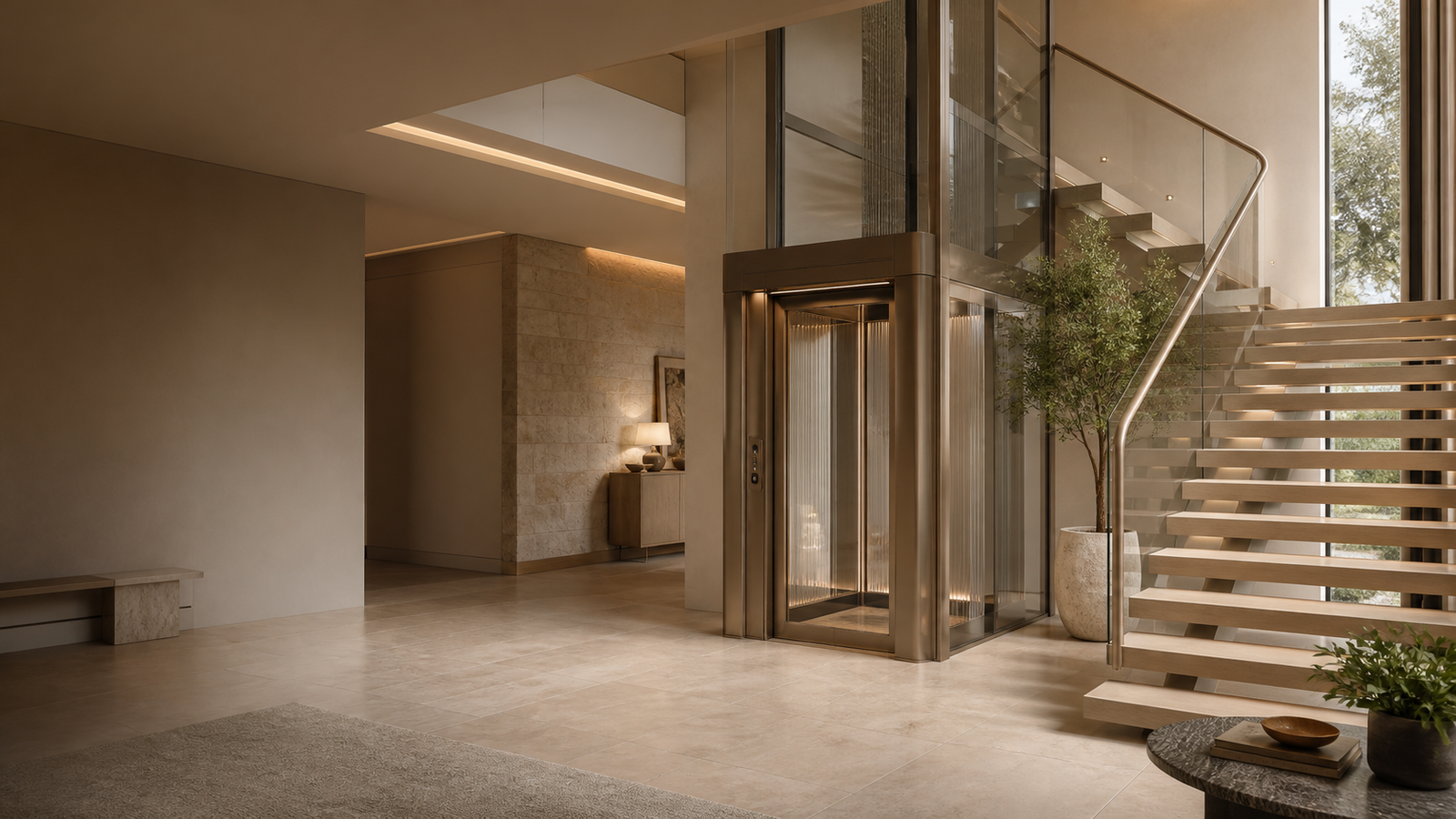
Private vertical living
Thoughtfully designed lifts that bring comfort, independence, and architectural beauty to villas, duplexes, and refined residences.
Explore Home ElevatorsA better way to live at home
A home elevator is more than mobility. It supports changing family needs, protects long-term accessibility, and can become a beautiful feature within the interior. We bring architects, homeowners, builders, and designers into one considered selection process.
Browse by home type
Start with your property type, then refine structure, capacity, doors, and finishes with a home-lift specialist.
A private lift shaped around architecture, interiors, and daily comfort.
2–6 floorsCompact vertical movement with minimal civil intervention.
2–3 floorsBespoke materials, glass structures, and smart-home integration.
3–6 floorsWheelchair-ready planning and controls for graceful independence.
2–5 floorsCompact home elevator categories
For finished homes and sensitive renovation projects.
View optionsLightweight, architectural, and visually open.
View optionsGentle movement with classic home-lift engineering.
View optionsQuiet, efficient performance without a machine room.
View optionsHome elevator collection
6 models match. Prices are indicative and confirmed after a home/site assessment.
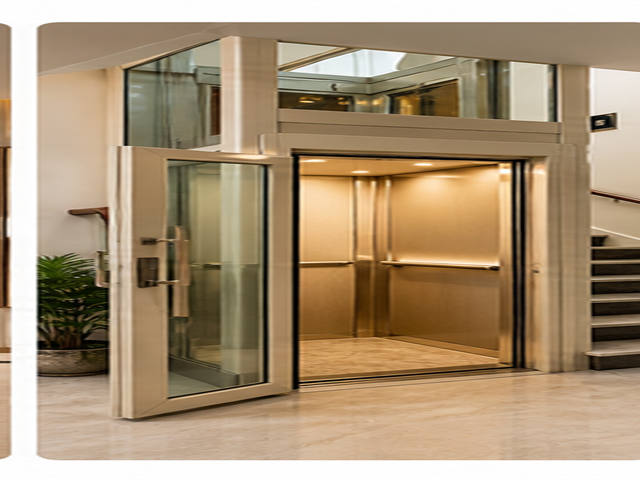 Small footprint
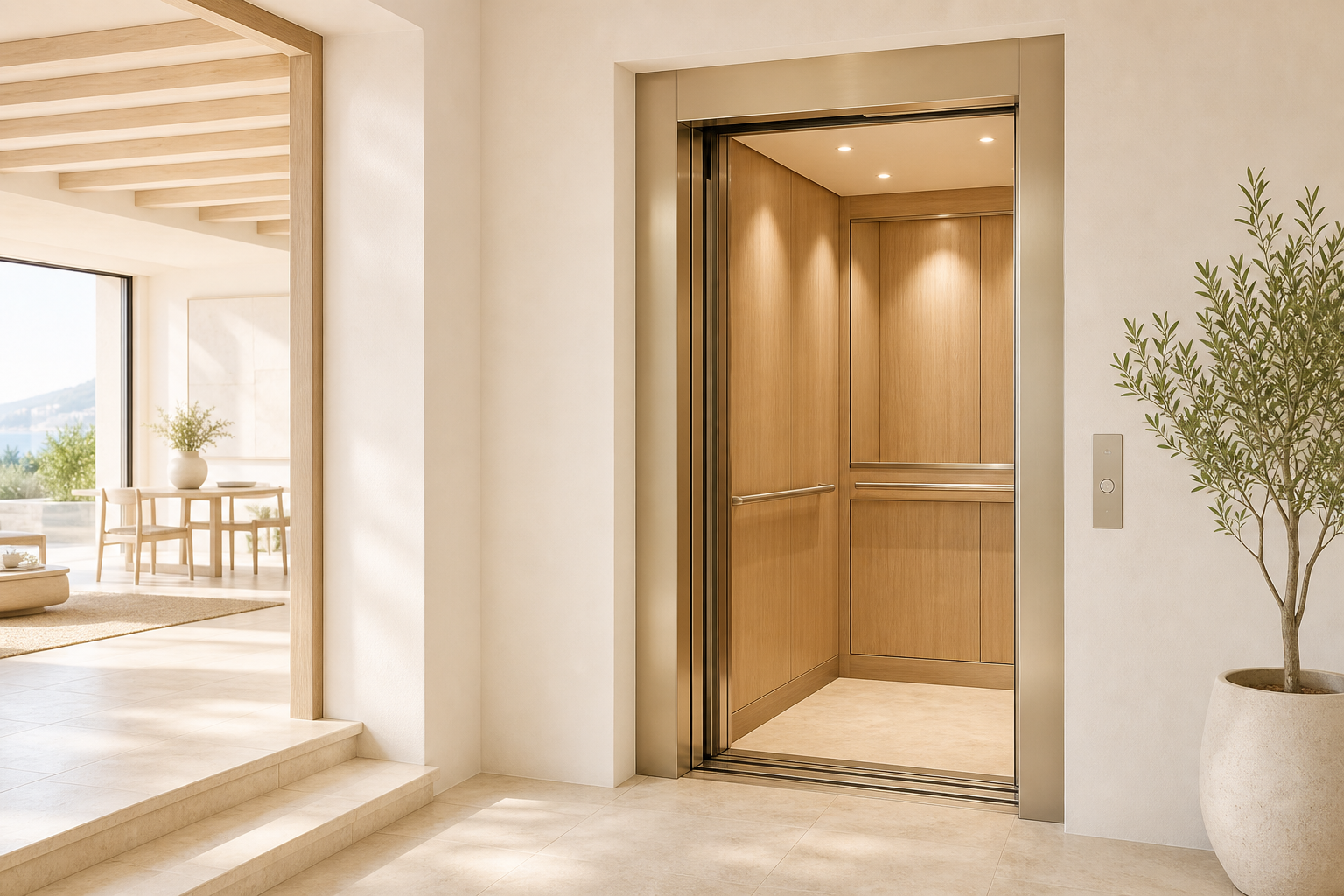 Most loved
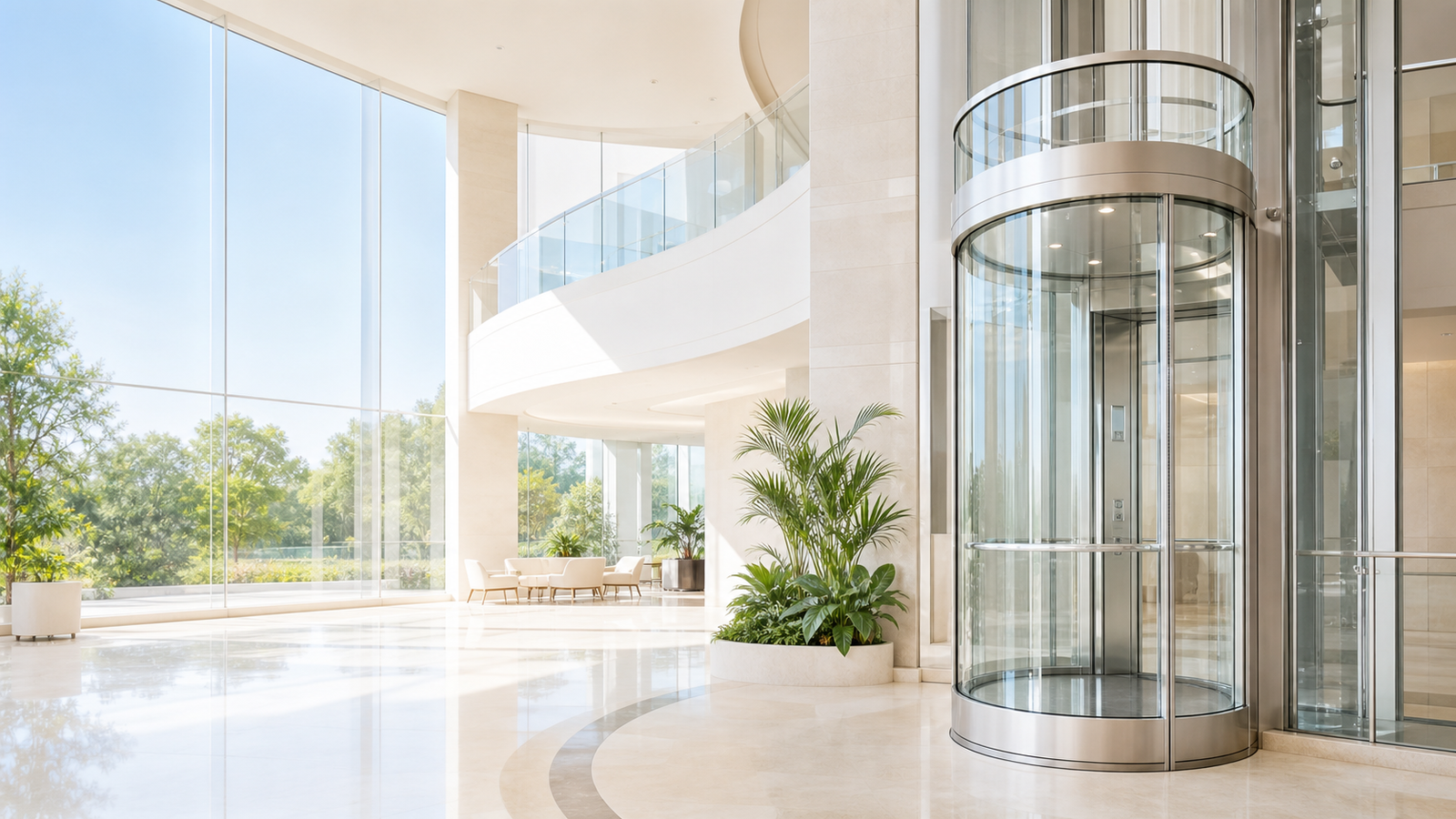 Architect series
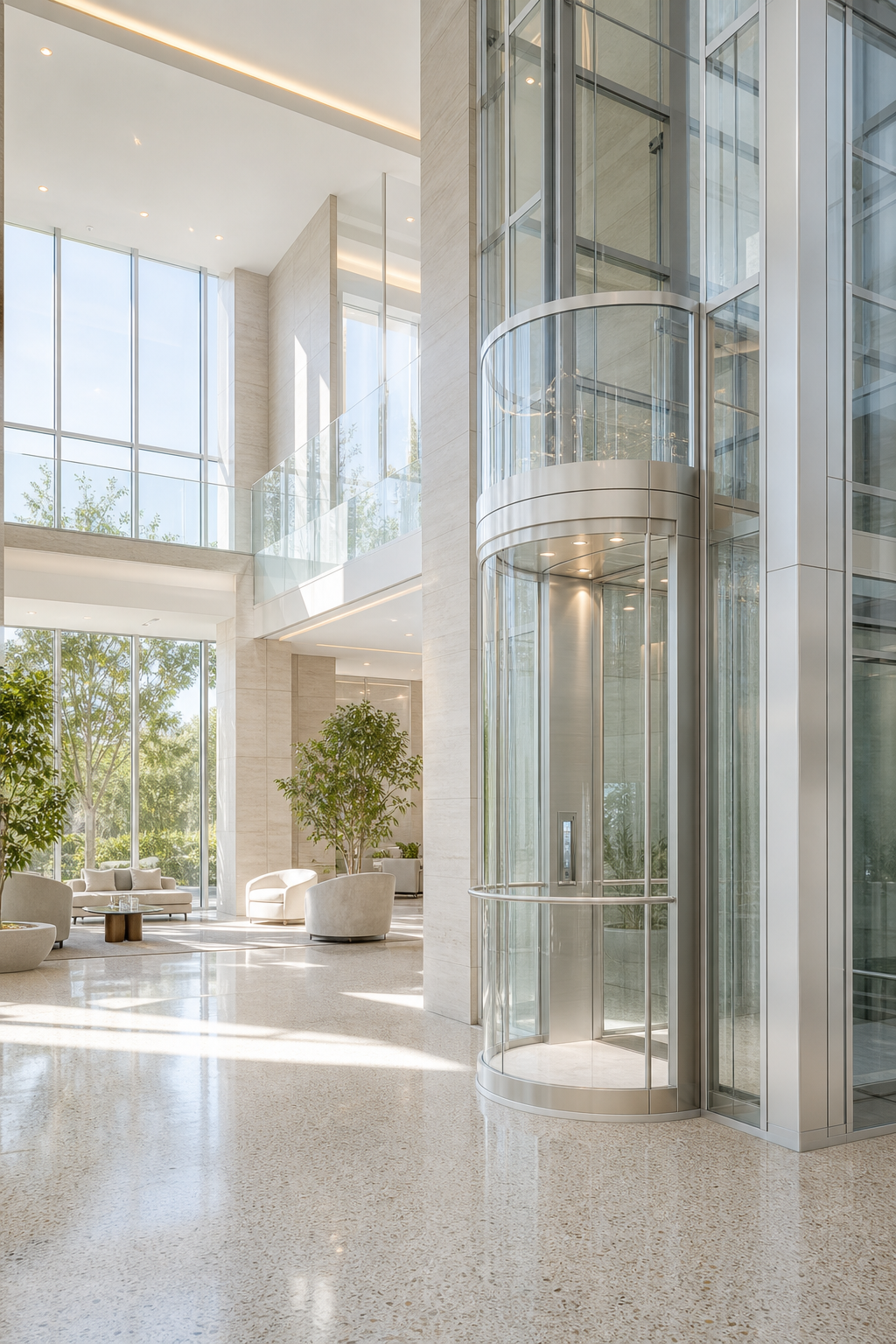 Classic luxury
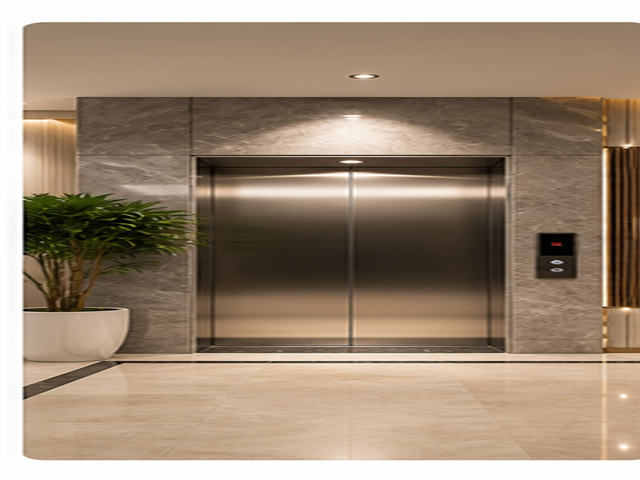 Accessible
 Signature
Interior finish gallery
Explore curated finish directions. Materials can be coordinated with your flooring, joinery, lighting, and metal palette.
Technical specifications
Final dimensions depend on the selected drive, structure, capacity, and door arrangement. Our team coordinates the lift with architectural and services drawings.
Installation requirements
Measure the proposed location, travel, access, power, and structural conditions.
Align shaft, doors, materials, lighting, and controls with architectural drawings.
Sequence work to minimize dust, disruption, and impact on finished interiors.
Complete testing, family training, documentation, warranty, and AMC onboarding.
Maintenance & care
Preventive maintenance protects ride comfort, safety systems, doors, batteries, finishes, and long-term reliability. Home-focused AMC plans include scheduled visits and priority support.
Explore maintenance plansHomeowner stories
“The lift feels like part of our interiors. It is quiet, beautifully finished, and has made the house easier for our parents without feeling clinical.”Neha & Rohan MalhotraVilla owners
“The material coordination was excellent. We reviewed metal, veneer, lighting, and floor samples together, which made the final cabin feel intentional.”Meera IyerInterior Designer
“Low-pit planning and the self-supporting structure solved a difficult renovation. The installation sequence was precise and respectful of the finished home.”Aditya RaoLuxury Home Builder
Begin your home elevator journey
Tell us about your home, floors, preferred location, and design direction. We will help shortlist the right structure, drive, cabin, and investment range.
Frequently asked questions
Understand space, structure, finishes, safety, and ownership before your assessment.
Compact home elevators can begin around 900 × 1000 mm internally, with the final shaft size depending on capacity, door arrangement, drive system, and structure.
Yes. Pitless and very-low-pit systems are available for selected capacities and drive types, making them suitable for renovations and completed villas.
Most modern home elevators use machine-room-less gearless, screw, or hydraulic configurations. Some hydraulic systems use a small adjacent cabinet rather than a conventional room.
Yes. Veneer, stone-look panels, metal finishes, glass, lighting, flooring, mirrors, handrails, and controls can be coordinated with the home palette.
Automatic rescue, door interlocks, overload protection, emergency alarm, battery lowering, light curtains, manual release, and backup communication are commonly specified.
Quarterly preventive maintenance is typical, with the final frequency based on drive type, usage, local requirements, and the selected AMC coverage.