Home / Villa
Prioritize compact planning, low travel, quiet operation, accessibility and interiors.
Elevator Mart
Loading the latest products, project options, and account details.
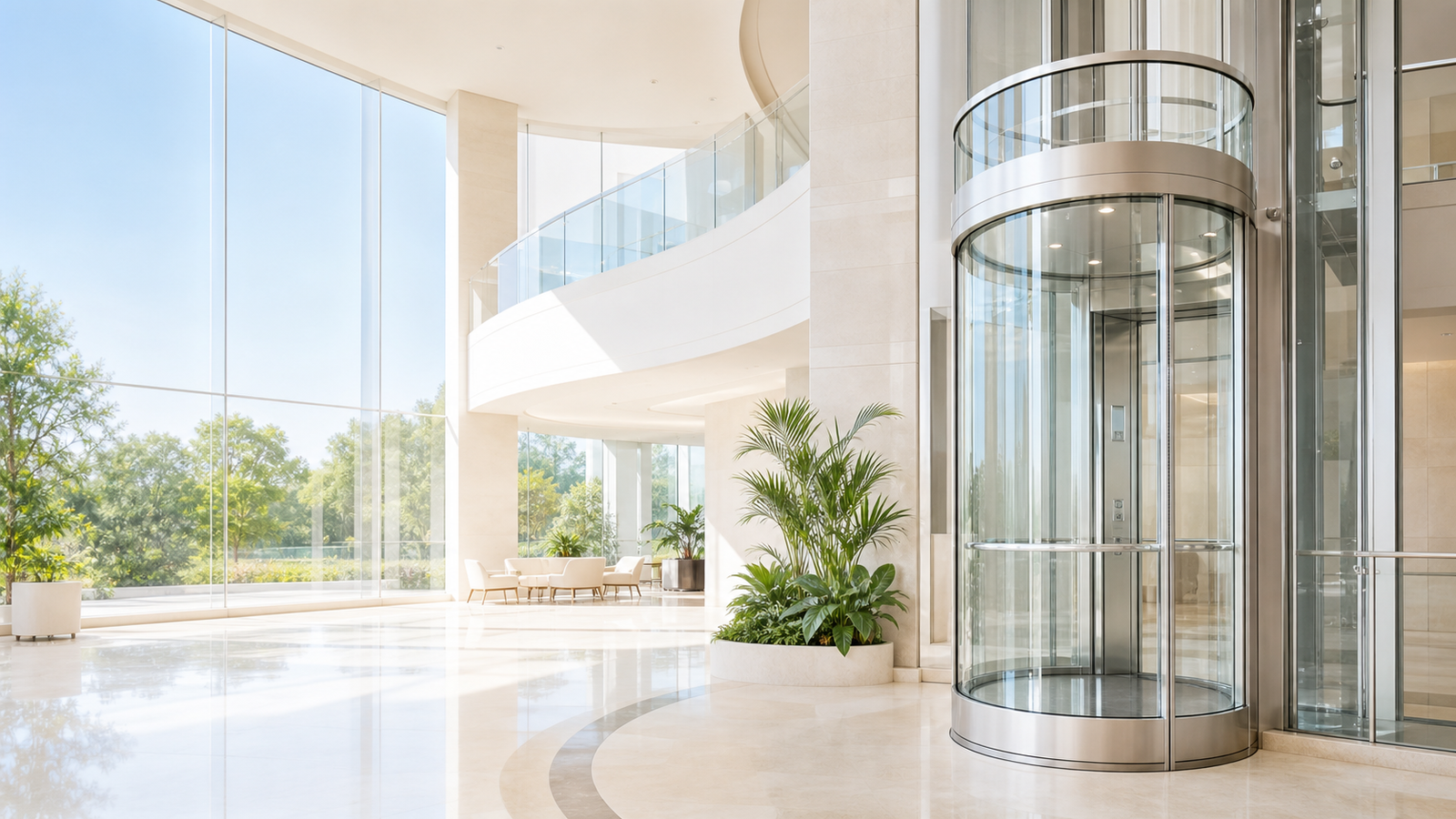
Plan · compare · choose with confidence
Learn how to choose the right elevator for your building based on space, usage, capacity, technology, safety and long-term maintenance.
Start with your building type
Traffic, passengers, load, hours of use, accessibility and architecture determine which system deserves consideration.
Prioritize compact planning, low travel, quiet operation, accessibility and interiors.
Balance resident traffic, capacity, reliability, access and long-term service.
Plan around peak passenger flow, waiting time, uptime and efficient group operation.
Start with bed or stretcher movement, wide doors, hygiene and emergency operation.
Separate guest comfort, service movement, premium finishes and quiet operation.
Account for heavy public traffic, accessibility, long operating hours and goods movement.
Lead with load, platform size, duty cycle, environment and robust doors.
Traffic analysis, higher speed, group control and travel height become critical.
Choose the right elevator type
How to choose capacity
Do not select capacity from a single generic number. A qualified planner should review the building, intended use and applicable project requirements.
Add capacity to my briefConsider regular occupants, visitors and accessibility needs.
Peak periods can matter more than average daily use.
More served floors can change demand and traffic distribution.
Usage patterns and peak intensity differ significantly.
Use item weight, dimensions, handling method and duty cycle.
Start with beds, stretchers, attendants and clear door movement.
How to choose speed
The right speed balances travel time, ride quality, waiting expectations, building use and the complete elevator group.
Shaft, pit & headroom
Civil dimensions must be coordinated with the selected elevator, structure, access, finishes and installation method.
Elevator technology comparison
Final suitability depends on engineering, travel, load, duty, structure, energy objectives and local project requirements.
Safety features to look for
Safety is a system of compatible mechanical, electrical, control and communication features—not a single accessory.
Detect obstructions and support safer door movement.
Move a compatible elevator to a landing during defined power failures.
Allow passengers to signal for assistance.
Support selected emergency functions according to system design.
Connect passengers with responsible help.
Prevent normal travel when the approved load threshold is exceeded.
Provide mechanical protection within the elevator safety architecture.
Reduce step differences at the landing.
Cabin & design options
Finish selections affect weight, cleaning, light, accessibility, replacement and long-term appearance.
Total cost considerations
There is no responsible universal price without a project brief. Compare proposals using the same scope and clearly stated exclusions.
Maintenance cost & long-term ownership
Ownership quality depends on maintainability, documentation, support and lifecycle planning after handover.
Planned inspection, cleaning, lubrication and adjustment.
Defined annual service scope, reporting and support terms.
Compatibility, lead time and long-term sourcing affect downtime.
Drive, machine, lighting, standby modes and traffic influence demand.
Plan how controls, doors, safety and cabins can be upgraded later.
Consider expected usage, environment, support and future building needs.
Questions to ask before buying
Good proposals answer the same technical and lifecycle questions in writing.
Elevator buying decision tool
This tool guides the first conversation. It does not replace traffic analysis, site measurement or professional engineering.
Buying guide FAQ
The best home elevator depends on floors, users, accessibility, shaft space, structure, design preference and service support. Compact MRL, hydraulic, traction and self-supporting solutions may all be considered after assessment.
Commercial selection should follow traffic, floors, travel height, peak waiting expectations, capacity, energy objectives and redundancy. MRL, traction or gearless passenger systems are common starting points.
MRL means machine-room-less. The drive equipment is arranged without a separate conventional machine room, subject to the specific system design and access requirements.
Space depends on elevator type, capacity, door, cabin, structure, pit, headroom and equipment arrangement. Use manufacturer-approved drawings after professional site measurement.
Start with passengers or goods, traffic pattern, accessibility, floors and peak demand. Capacity and traffic planning should be confirmed by a qualified elevator professional.
Confirm scope, equipment, civil requirements, safety features, warranty, installation, testing, maintenance terms, spare parts support, exclusions and upgrade options in writing.
Expert recommendation
Share your building and current recommendation. An elevator specialist can help validate space, traffic, technology and lifecycle fit.
WhatsApp an expertA confident decision starts with the right questions
Turn your building requirements into a professional elevator recommendation.
Get Expert Recommendation