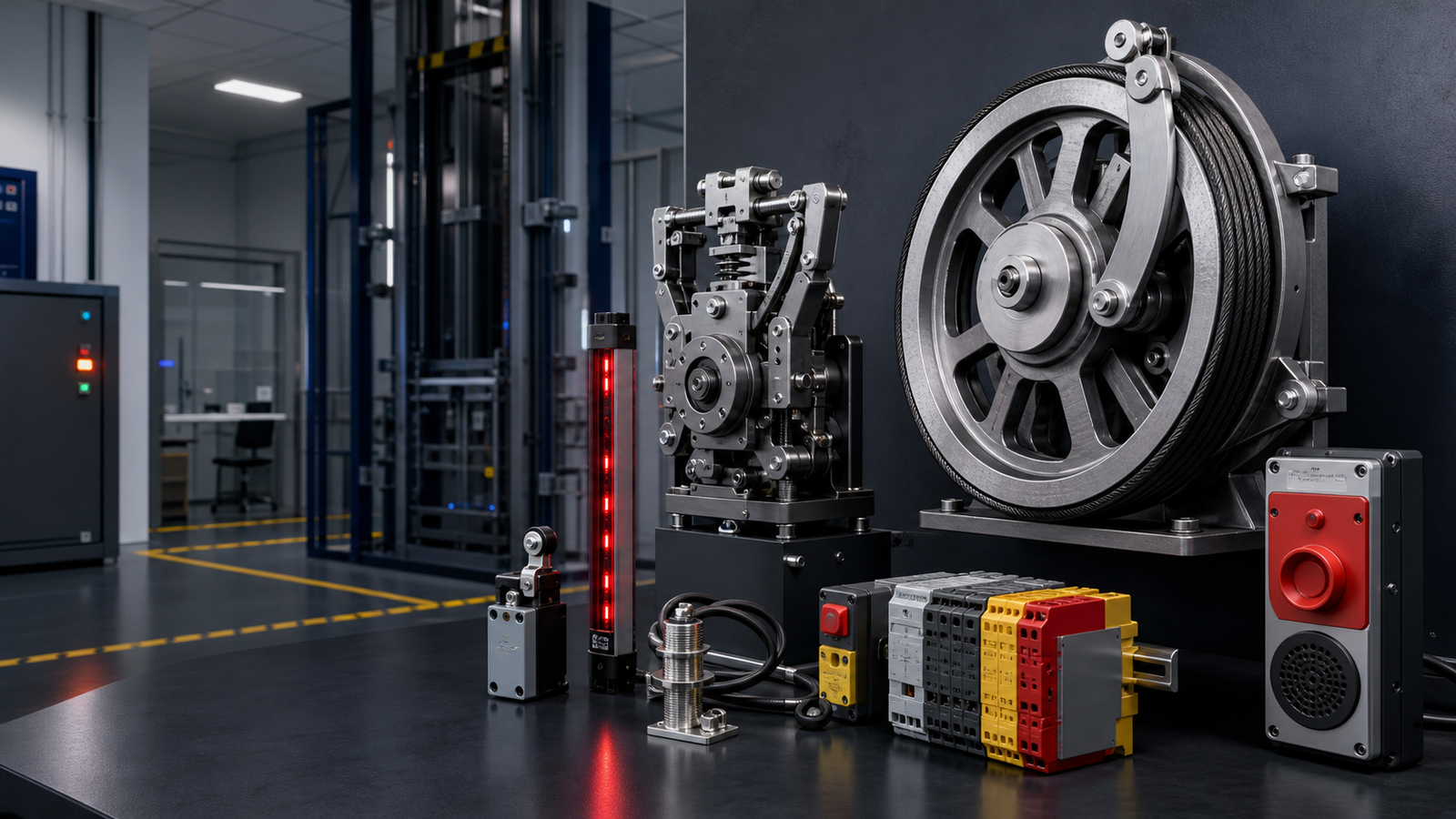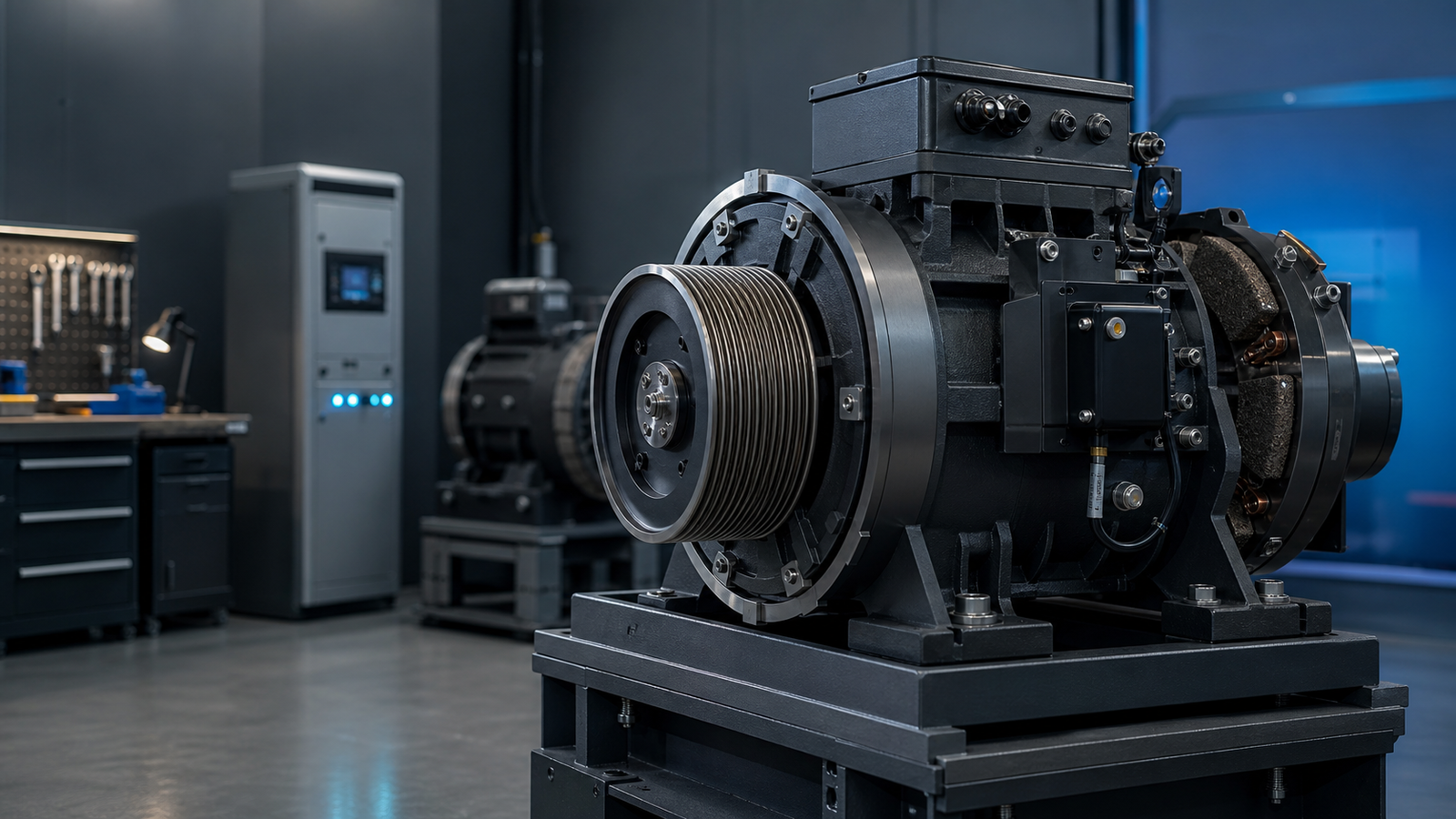
A practical monthly and annual checklist for safer, smoother elevator operation.
Good elevator decisions come from understanding the building, the equipment and the people who depend on it. This guide translates an important vertical-transportation topic into a practical framework for owners, designers, technicians and project teams.
Build a condition-based routine
A professional service plan combines scheduled inspection with observations from equipment history, usage and operating environment.
Use project-specific documentation and qualified professional assessment before acting on technical, safety or compliance matters.
Record patterns, not isolated symptoms
Repeated door, leveling, noise or control issues should be logged so technicians can identify patterns and underlying causes.
Use project-specific documentation and qualified professional assessment before acting on technical, safety or compliance matters.
Keep technical work professional
Building teams can observe and report. Opening equipment, bypassing circuits, entering shafts or attempting repair requires trained and authorized personnel.
Use project-specific documentation and qualified professional assessment before acting on technical, safety or compliance matters.
Key takeaways
- Start with the building and operating requirement.
- Use current, verified equipment information.
- Keep safety-critical work with trained professionals.
- Document findings, decisions and future actions.