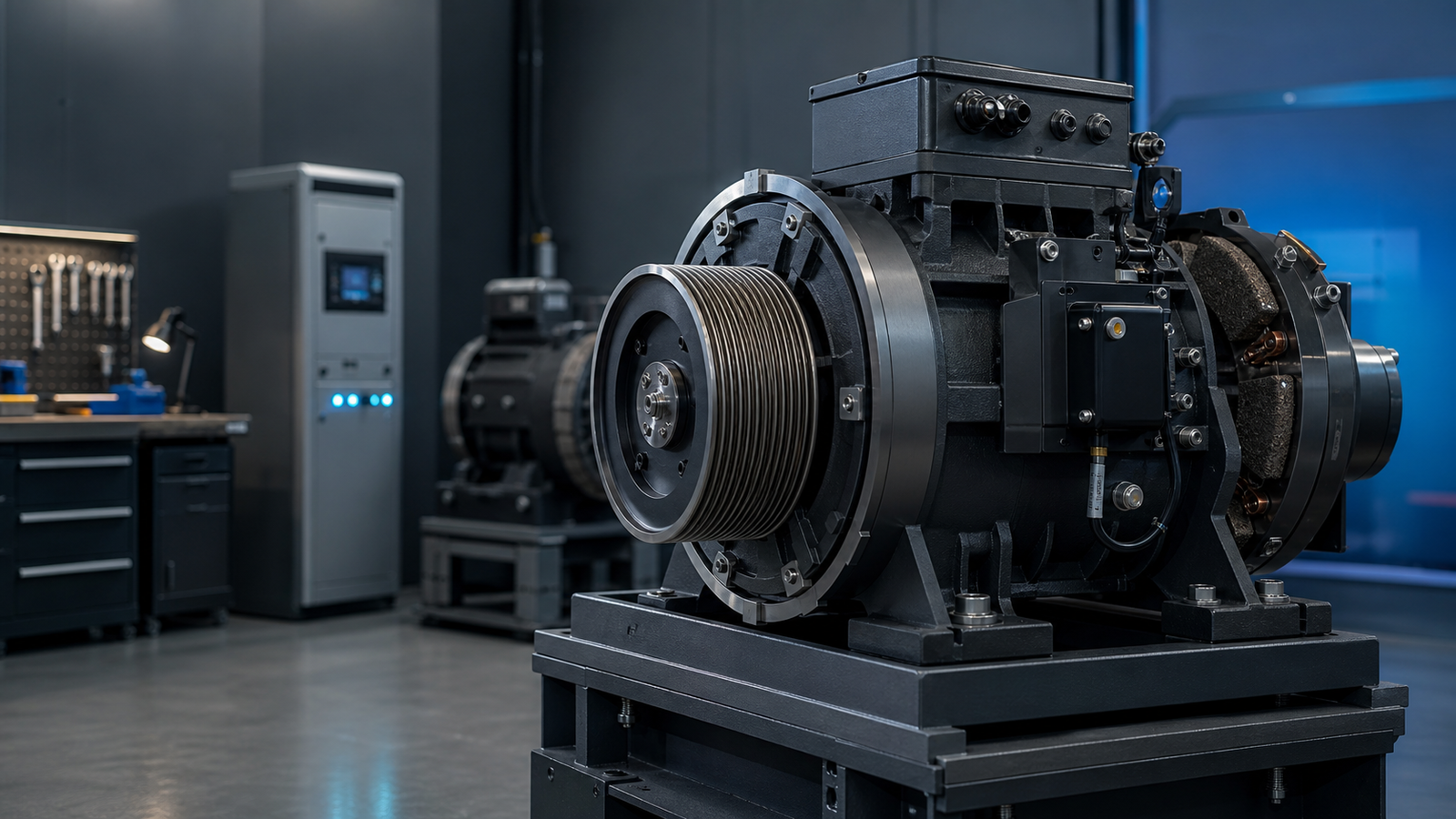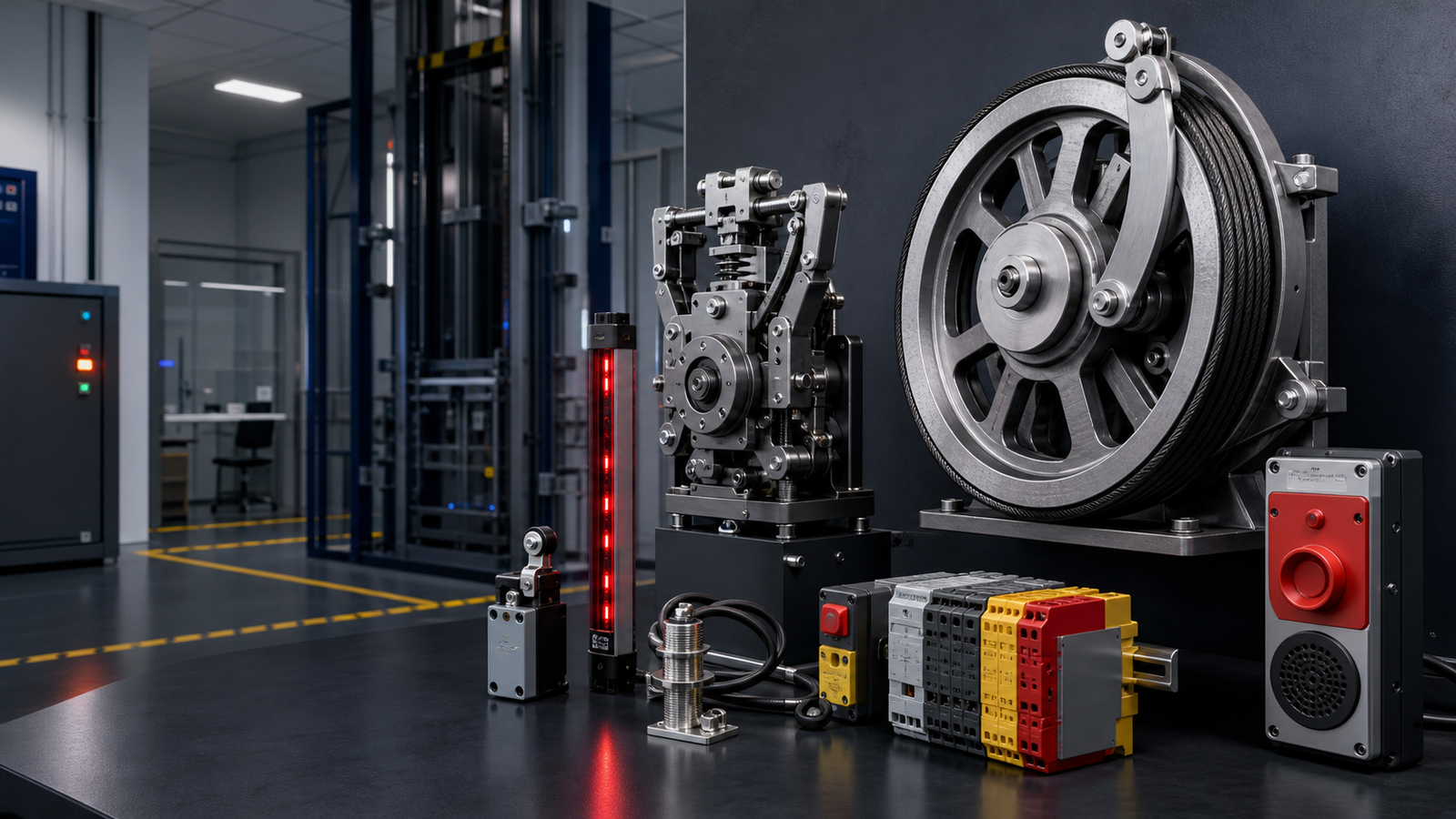
Key responsibilities for owners, facility teams, residents, and service partners.
Good elevator decisions come from understanding the building, the equipment and the people who depend on it. This guide translates an important vertical-transportation topic into a practical framework for owners, designers, technicians and project teams.
Use layered protection
Door protection, interlocks, brakes, safety gear, alarms and communication systems work together; no single feature replaces correct maintenance and operation.
Use project-specific documentation and qualified professional assessment before acting on technical, safety or compliance matters.
Prepare passengers and staff
Clear signage, emergency contacts and calm response procedures help people act safely when service is interrupted.
Use project-specific documentation and qualified professional assessment before acting on technical, safety or compliance matters.
Never force an exit
If a car stops, passengers should use the alarm or communication system and wait for trained assistance.
Use project-specific documentation and qualified professional assessment before acting on technical, safety or compliance matters.
Key takeaways
- Start with the building and operating requirement.
- Use current, verified equipment information.
- Keep safety-critical work with trained professionals.
- Document findings, decisions and future actions.